
I grew up in a house where frames covered the walls like wallpaper. Nothing matched, everything had a story, and somehow it all worked. As an adult with a hammer in one hand and spackle in the other, I have learned the real secret is not having an unlimited framing budget. It is knowing which pieces actually deserve custom framing, and which ones will look just as good with a smart ready-made solution.
Quick definitions, so we are talking about the same thing: by custom, I mean made-to-measure framing where you choose the moulding, mat, mounting, and glazing for that specific piece. By ready-made, I mean off-the-shelf frames (sometimes with an off-the-shelf mat) that you fit the art into at home.
This guide is how I make those calls for my own gallery walls, and for friends who text me photos from the frame aisle like it is a crisis hotline.

Custom vs. ready-made: what you are paying for
Before we get into the practical tradeoffs, here is what each option truly includes. Not the sales pitch, the stuff that shows up on your wall.
What custom framing buys you
- Perfect fit for odd sizes, torn deckled edges, thick paper, canvases, textiles, and objects.
- Better glazing choices, including conservation-grade UV-filtering glazing (often rated around 97 to 99 percent UV filtration, depending on the product) and clearer anti-reflective options.
- Stronger build and more secure mounting for heavy pieces.
- Professional design help with mat width, color, and spacing that can make inexpensive art look elevated.
- Preservation options like acid-free mats and proper hinging for valuable work.
What ready-made frames buy you
- Low cost per piece, which matters when you are framing six to twenty things for a gallery wall.
- Speed. You can frame and hang the same day.
- Easy consistency if you buy a set of the same frame style in multiple sizes.
- Flexibility. You will not feel precious about swapping art later.
In other words, custom framing is about fit, finish, and protection. Ready-made is about volume, affordability, and freedom to change your mind.
The quick decision test I use
If you only read one section, make it this one. When I am standing in front of a piece and trying to decide where to spend, I run through four questions.
1) Would I be upset if this got ruined?
If the answer is yes, custom framing jumps way up the list. Sentimental pieces and originals are the ones that deserve proper materials and mounting.
2) Is it an annoying size?
If it is a common standard size like 5x7, 8x10, 11x14, 16x20, 18x24, or 24x36, ready-made is usually the move. Availability varies by brand and region, and sizes like 12x16, 12x18, and A-sizes are also common. If your art is off by even half an inch, you will pay in time and frustration, or you will pay a framer.
3) Is this the anchor of the wall?
Most gallery walls have one or two pieces that do the heavy lifting. Those are the pieces worth upgrading. The supporting cast can be budget.
4) Is glare making it hard to enjoy?
Rooms with lots of windows, shiny overhead lights, or a TV nearby can turn any standard glazing into a mirror. Glare is not just about price, it is also about angles, lighting placement, and even glossy art surfaces. If reflections are stealing the art, consider upgrading glazing on the pieces you stare at the most.
One quick clarification that saves people money: anti-reflective glazing is designed to reduce reflections while staying crisp. Non-glare (often etched) glazing can cut reflections too, but it can also soften detail and make art look a little hazy, especially on fine text or photography.
If you are still on the fence, my tiebreaker is simple: Spend on the pieces you cannot easily replace.
When custom framing makes sense
Custom framing is not automatically fancier, but there are specific scenarios where it solves real problems and improves your gallery wall more than buying three more frames ever could.
Valuable, sentimental, or one-of-a-kind art
Original paintings, limited edition prints, heirlooms, and anything with deep emotional value deserves preservation-minded materials. That usually means acid-free matting, proper mounting, and glazing choices that help reduce UV exposure.
Work on delicate paper
Watercolor, charcoal, pastel, and vintage paper can buckle, smudge, or discolor if framed poorly. A framer can help you float-mount or hinge-mount the right way, so the art is supported without damage.
Oversized pieces that need to stay flat
Large prints love to ripple in flimsy frames, but the real culprits are usually weak backing, humidity swings, and poor mounting. Custom framing can help because you can specify rigid backing and proper hinging or mounting so the art is supported evenly and stays flatter over time. It is also safer to hang.
Anything that needs better matting or spacing
Ready-made mats tend to be thinner and narrower (and the opening can be slightly off). Custom mats can be wider, cleaner, and proportioned to make the art look intentional. If you love the gallery look, a generous mat is often what you are actually responding to.
If you want to use matting to make budget art look expensive, I have a full breakdown in Oversized Matting: The Budget Art Upgrade.
Textiles, objects, and dimensional pieces
Pressed florals, jerseys, vintage handkerchiefs, and small objects are tricky. Custom framing lets you add depth with spacers or shadowbox-style builds so the glazing does not press against the item. Even then, botanicals are sensitive, so keep them out of direct sun and consider UV-filtering glazing if you want them to age more slowly.

When ready-made frames are smarter
Ready-made frames get unfairly labeled as cheap. In gallery walls, they are often the reason the whole project actually gets finished.
You are framing lots of pieces at once
Gallery walls are about rhythm and repetition. If you have eight to fifteen items to frame, you will get a bigger visual win from consistency and coverage than from premium glazing on everything.
The art is replaceable
Posters, digital downloads, kids’ art, and thrifted prints often look fantastic in ready-made frames. If something fades or you want to rotate seasonally, you will not feel guilty.
You are experimenting with layout
If you are still finding your style, do not lock yourself into expensive frames. Start with ready-made, live with the wall, and upgrade the one or two pieces that earn it over time.
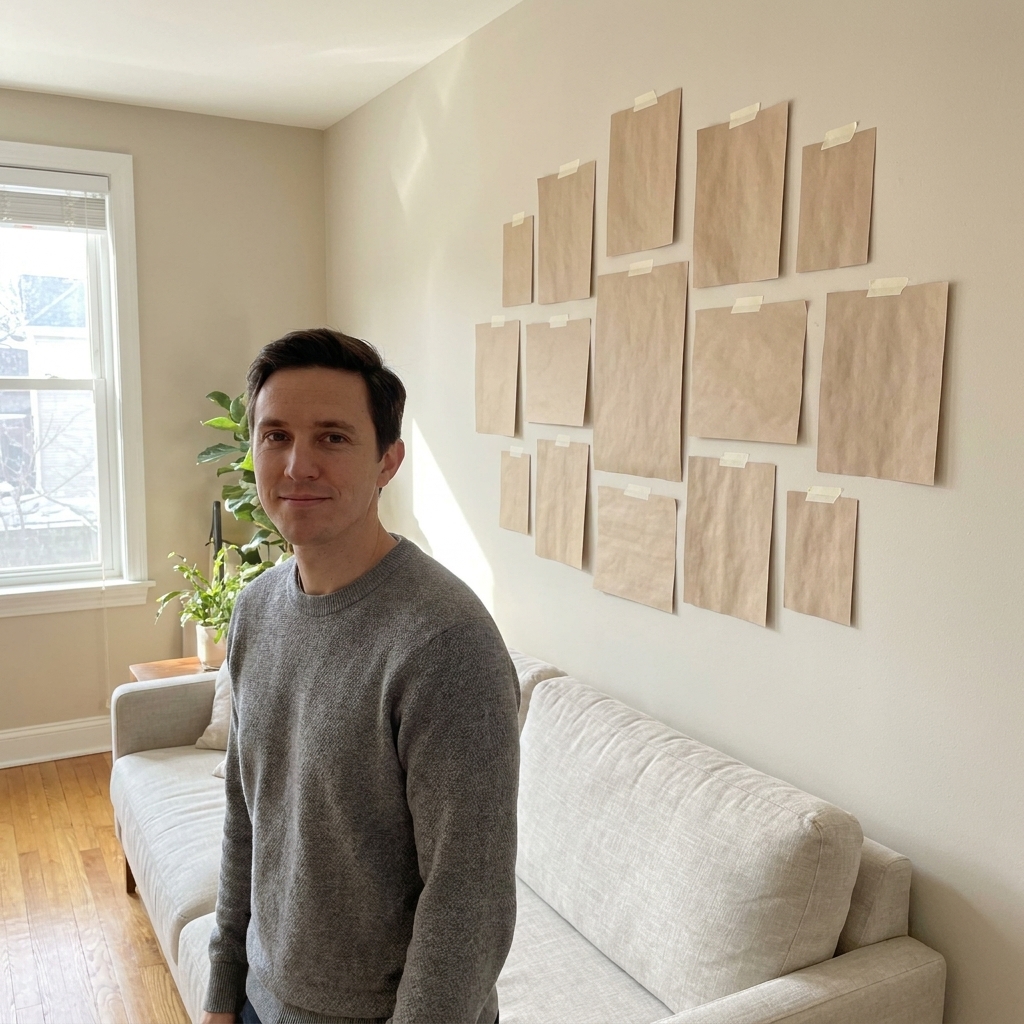
If you are planning the arrangement first (highly recommend), use paper templates and the painter’s tape method to place everything with fewer holes and less regret.
You want a cohesive look without spending a fortune
Buying the same frame style in multiple sizes is one of my favorite designer-on-a-budget moves. It makes mixed art feel intentional. If you still want variety, mix finishes carefully. I walk through my rules in Mixing Frame Finishes Without the Chaos.
The cost-benefit breakdown
Exact prices vary wildly by region, size, and materials, and framing is one of those categories where the range is so wide that a single number can mislead more than it helps. Instead, here is the pattern that actually matters when you are budgeting a gallery wall.
Custom costs more because you pay for labor and materials
- Labor: measuring, cutting, joining, mounting, fitting.
- Materials: frame moulding, mat board, backing, hardware, glazing.
- Options: UV-filtering glazing, anti-reflective glazing, spacers, float mounts.
Custom becomes worth it when those upgrades actually change the experience of living with the piece, or protect something you would hate to lose.
Ready-made costs less but you pay in small compromises
- Fit issues: art can slide, mat openings can be awkward, corners can gap.
- Glare: standard glass or acrylic can be very reflective.
- Flimsier backing: larger sizes can bow or ripple over time.
Ready-made becomes worth it when you need scale, speed, and flexibility more than perfection.
A simple gallery wall rule
Custom frame 1 to 3 anchor pieces, then use ready-made frames for everything else. Most walls look high-end when the focal points look high-end.
Ready-made hacks that look custom
This is the part I wish someone had told me earlier. You can get a shockingly polished look with off-the-shelf frames if you fix the usual weak spots.
Upgrade the mat, not the frame
A clean, thicker mat with a generous border can make a simple frame feel intentional. Even better, choose a slightly warm white mat instead of bright refrigerator white, especially if your walls are cream or beige.
Use spacers when art should not touch glazing
Charcoal and pastel should not be pressed against glazing. If you are not custom framing, consider frame spacers so the art has breathing room. Make sure you buy spacers made for glazing, and that your frame has enough rabbet depth to fit the spacer and backing without bowing.
Swap the hardware
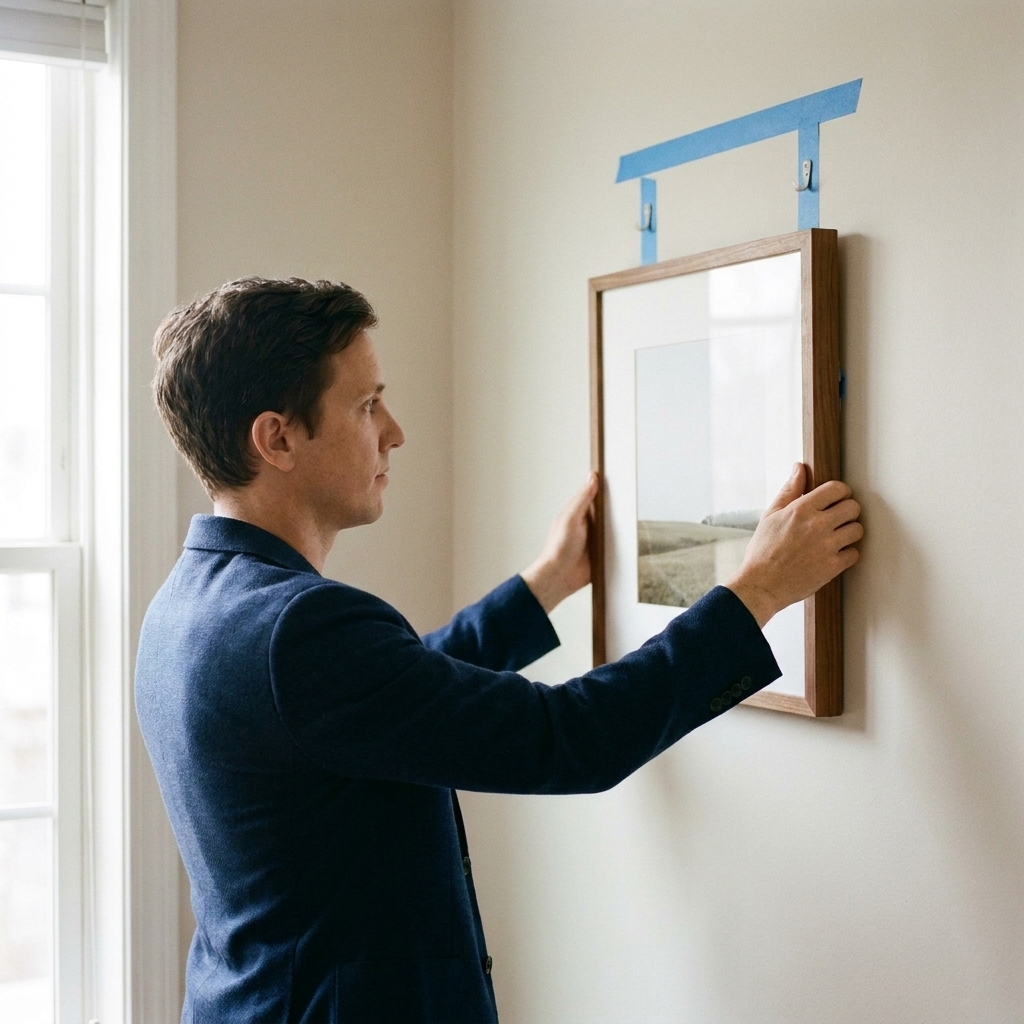
Many ready-made frames come with wiggly sawtooth hangers. For gallery walls, I prefer stable hanging hardware so frames sit flatter and straighter. If you want to nerd out on options, see Picture Hanging Hardware: Hooks, Anchors, and Cleats Explained.
Paint or wax a mismatched set
If your thrifted frames are all over the place, a single paint color can unify them fast. I love a soft black, a warm white, or a muddy bronze. The art becomes the star, not the frame chaos.
Make the back neat
Secure the backing so it lies flat, add proper bumpers, and use a centered wire for larger pieces. When frames hang flat, the whole wall looks more intentional.

Where I splurge on custom
If you want a practical shopping list, here is exactly where I tend to invest.
- The center or eye-level piece: the one your gaze lands on first.
- Anything irreplaceable: family photos that exist in one copy, originals, heirlooms.
- Problem art: odd sizes, torn edges you want to float, very large prints that want to ripple.
- High-glare locations: across from a window, near strong overhead lights, or in hallways with lots of reflections.
For placement, I usually aim for the main anchor’s center around eye level (roughly 57 to 60 inches from the floor), or I key off furniture lines, like keeping the anchor 6 to 8 inches above a sofa. Then I balance that splurge with ready-made frames for the supporting pieces. The wall looks elevated, but the budget does not get wrecked.
Mistakes that make both look worse
Choosing a frame depth that fights the art
Delicate line drawings often look best in slimmer frames. Bold modern art and large pieces can handle thicker profiles. When the frame is louder than the art, the wall starts to feel busy.
Ignoring orientation balance
If your gallery wall has a bunch of landscapes and one lonely portrait, it will look accidental. I plan the mix before I buy frames. If you need help, see Portrait vs. Landscape: Balancing Mixed Orientations.
Hanging without a plan
Even the most beautiful frames look messy if spacing is random. Start with a layout method, then hang. My two go-to resources are Gallery Wall Layout Templates and the step-by-step in Framing & Installation.
Mixing custom and ready-made
Some of my favorite walls blend both. The trick is to create a few repeating cues so the mix looks intentional.
Pick one unifying element
- Repeat mat color across most pieces, even if frames vary.
- Repeat frame finish in at least 60 percent of the wall.
- Repeat frame profile (thin vs thick) so the wall feels cohesive.
Let the custom pieces lead
Place the custom-framed anchors where the eye naturally lands, usually center, slightly above center, or aligned with a key furniture edge. Then build outward with ready-made pieces.
If you love an intentionally eclectic look, you will probably enjoy Eclectic Asymmetrical Gallery Wall That Looks Intentional.
FAQ
Is custom framing always better quality?
It can be, but it depends on materials and the framer. The real advantage is that it is made specifically for your art and your needs, especially for fit and preservation choices.
Can ready-made frames protect art from fading?
Some do, but many budget frames do not offer meaningful UV filtration. Also, placement matters more than most people want to hear. Even great UV-filtering glazing will not fully stop fading if a piece sits in direct sun day after day.
What is the best place to save money without making it look cheap?
Save on the supporting frames in the gallery wall, and put your money into one hero piece with great matting and better glazing. Most people read the wall as a whole, and the anchors set the tone.
Do I need the same brand of frames for a cohesive gallery wall?
No. Cohesion comes from repeated finishes, consistent spacing, and a balanced mix of sizes and orientations.
The bottom line
If your gallery wall is a story, custom framing is your hardcover edition. Ready-made frames are your well-loved paperback stack. Both belong on the shelf.
Custom frame what is irreplaceable, oversized, delicate, or central to the wall. Ready-made frame the rest, then use a few smart upgrades so everything feels intentional. That mix is how you get a gallery wall that looks collected and personal, not like you blew your entire budget at the frame shop.